Weather Patterns and Their Impact on Stake Adjustments in Sports and Entertainment Venues
Written by Theo Hoffmann · Oct 18, 2026
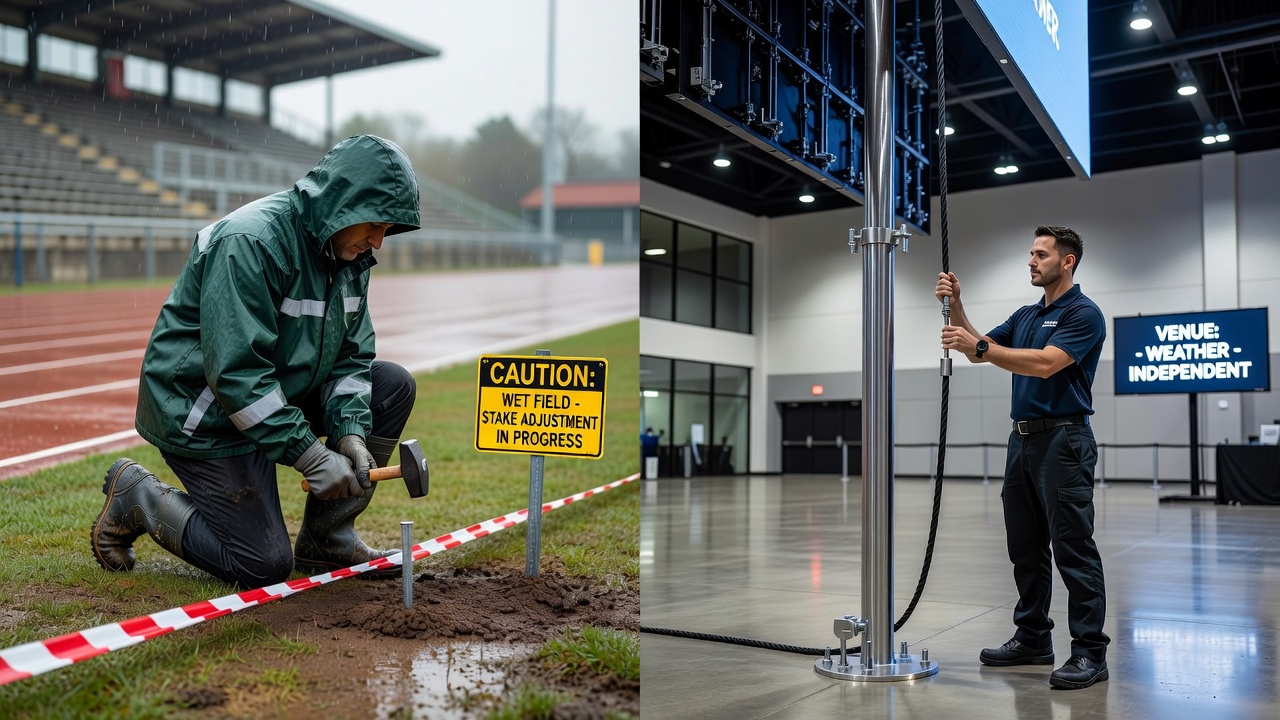
Weather Patterns and Their Impact on Stake Adjustments in Sports and Entertainment Venues
Weather conditions shape how participants and analysts approach stake decisions in outdoor athletic competitions, where variables like precipitation, wind speed, and temperature directly alter performance metrics and event outcomes. Data from multiple seasons shows that forecasters and data teams track these elements closely because even modest shifts in atmospheric pressure or humidity can change player endurance levels and ball trajectories in sports such as soccer, tennis, and baseball. Observers note that betting operators respond by recalibrating odds in real time once updated forecasts arrive, prompting bettors to modify wager sizes accordingly rather than commit fixed amounts hours before an event begins.
Atmospheric Variables in Outdoor Athletic Settings
Outdoor events expose athletes to fluctuating elements that indoor training sessions rarely replicate, and researchers have documented measurable effects on speed, accuracy, and injury rates. Heavy rainfall increases surface friction on grass pitches, slowing ball movement and reducing scoring rates in football matches, while sustained winds above 15 miles per hour alter serve percentages in tennis tournaments. Temperature swings also play a documented role: studies compiled by the National Weather Service indicate that players competing above 85 degrees Fahrenheit experience elevated heart rates and quicker fatigue, leading analysts to favor under totals when such conditions coincide with afternoon scheduling. Bettors who monitor these forecasts often scale stakes downward on high-variance propositions and increase positions on lower-risk lines that align with expected environmental constraints.
Wind direction further complicates calculations in baseball and golf, where crosswinds can push fly balls into foul territory or extend driving distances on certain holes. Those who study historical performance logs discover that teams with strong pitching staffs post better results on blustery days, prompting stake reallocations toward run-line or total-under markets. In October 2026, several major league schedules placed late-season games in regions experiencing early cold fronts, and records from those contests showed reduced offensive output that aligned with pre-event weather models.
Indirect Effects Within Enclosed Entertainment Venues
Enclosed venues experience weather influences through secondary channels rather than direct exposure, yet these pathways still prompt measurable adjustments in wagering behavior. Attendance figures at indoor arenas and casino showrooms decline when severe storms or extreme temperatures discourage travel, and lower crowd energy correlates with shifts in player focus during concerts or exhibitions. Operators track external forecasts to anticipate foot traffic, then adjust promotional stake thresholds or table minimums to maintain volume. Research from institutions such as the National Oceanic and Atmospheric Administration demonstrates that prolonged cold snaps in surrounding regions reduce weekday participation at urban entertainment complexes by measurable percentages, creating temporary windows where conservative stake sizing becomes more prevalent among regular visitors.
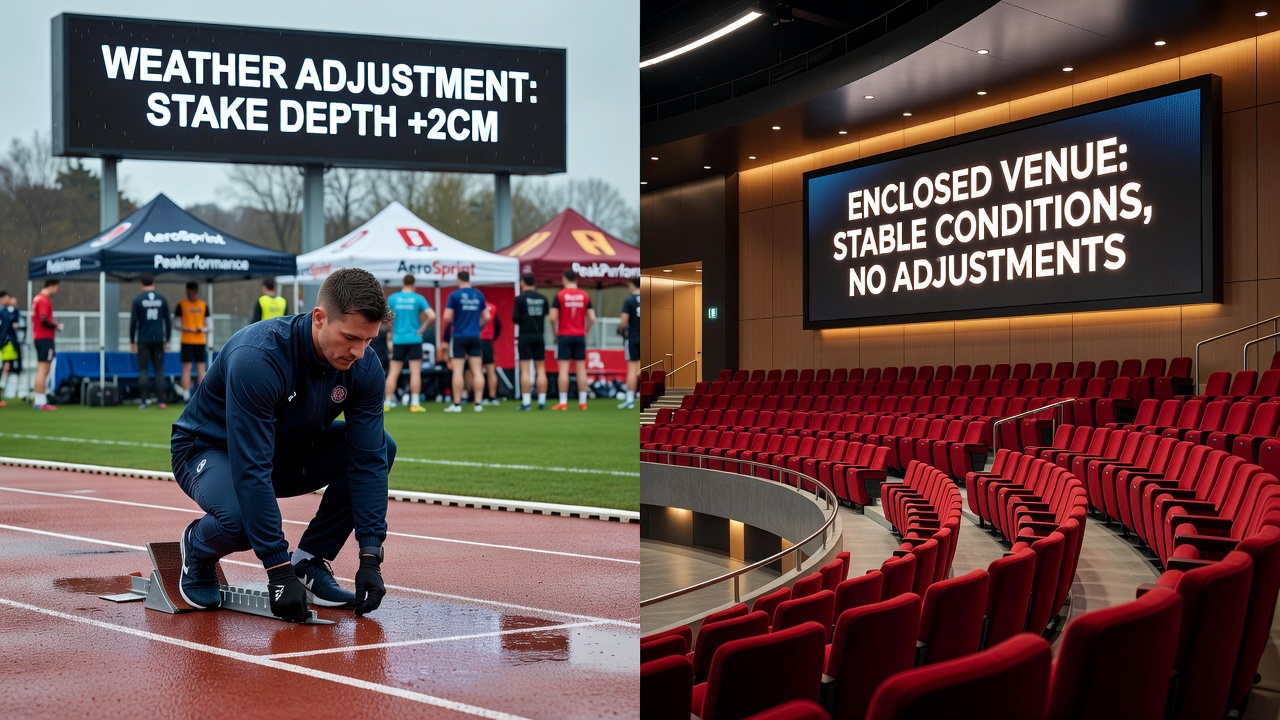
Air-conditioning demands during heatwaves also raise operational costs, occasionally leading venues to shorten event durations or modify seating configurations, both of which influence in-game betting windows and prop availability. Analysts reviewing multi-year data sets find that enclosed facilities located near coastal areas experience more frequent schedule tweaks during hurricane season, forcing bettors to monitor updates and reposition stakes as start times or formats change. The reality is that these adjustments remain subtle because indoor environments buffer direct weather contact, yet participation metrics still reflect broader meteorological patterns.
Data Integration and Real-Time Stake Modifications
Modern platforms integrate live weather feeds with performance databases, allowing rapid recalculation of expected values once new atmospheric readings arrive. Teams that incorporate radar imagery and hourly temperature projections into their models identify edges that static historical averages overlook, and those advantages translate into stake increases on specific sides or totals. Evidence from European sports analytics groups shows that matches played under sudden rain showers produce statistically different goal distributions compared with dry conditions, prompting proportional shifts in wager sizing among informed participants. Venues in enclosed settings apply similar logic when external weather warnings trigger transportation delays, reducing available betting windows and concentrating activity into shorter periods.
October 2026 brought several high-profile outdoor fixtures scheduled during transitional weather periods, and records indicate that pre-match stake volumes fluctuated more sharply than in prior seasons when forecasts changed within 24 hours of kickoff. Those monitoring such patterns recognize that combining venue-specific historical data with current meteorological inputs produces more stable decision frameworks than relying on either element alone.
Conclusion
Weather continues to exert measurable influence over stake decisions across both open-air athletic contests and enclosed entertainment spaces through direct performance effects and indirect operational factors. Organizations that maintain updated environmental monitoring systems alongside traditional performance statistics position themselves to respond promptly when conditions deviate from seasonal norms. Continued collection of granular weather and attendance data will likely refine these models further, supporting more precise adjustments as forecasting technology advances.