Bridging Probability Gaps: Sequencing Blackjack Counts to Navigate Accumulator Swings and Each-Way Equine Wagers
Written by Otto Koch · Nov 1, 2026
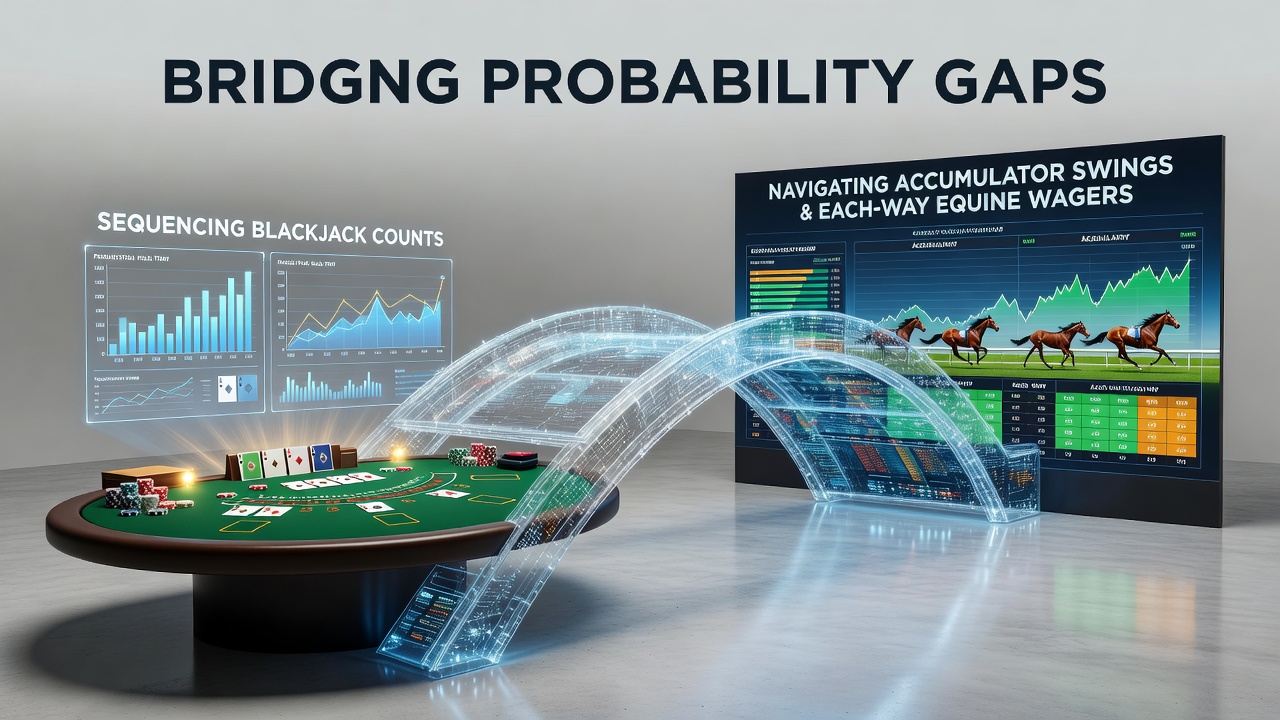
Bridging Probability Gaps: Sequencing Blackjack Counts to Navigate Accumulator Swings and Each-Way Equine Wagers
Card counting in blackjack relies on tracking the ratio of high to low cards remaining in the deck, a method that creates edges through sequential updates rather than static probabilities, and observers note this same sequential logic extends to accumulator bets where multiple outcomes compound and to each-way equine wagers that split stakes across win and place positions.
Researchers at institutions focused on decision sciences have documented how running counts and true counts adjust expected values in real time, while data from longitudinal betting studies show that similar adjustments help manage variance when bettors sequence selections across linked events such as football accumulators or multi-horse each-way tickets.
Core Mechanics of Blackjack Count Sequencing
Standard systems like Hi-Lo assign values to card ranks so that a positive count signals higher remaining tens and aces, and players who maintain these counts recalculate after every hand because the composition of the remaining deck changes with each draw. Studies from probability research centers indicate that converting the running count to a true count by dividing by decks left produces a more accurate measure of advantage, and this division step mirrors the normalization required when scaling probabilities across an accumulator with several legs or an each-way bet with distinct win and place fractions.
Those who apply sequencing principles update their assessments after partial results arrive, much as a blackjack player revises the count after cards are revealed, and figures from gaming mathematics reports reveal that failing to update leads to mispriced expectations in both table games and multi-outcome wagers.
Transferring Sequencing Logic to Accumulator Structures
Accumulators require every leg to succeed for the full payout, so early outcomes alter the conditional probability of later ones in ways that parallel deck depletion in blackjack. Analysts who sequence counts across accumulator legs recalibrate stake sizes or selection criteria once initial results become known, and data compiled by academic gaming laboratories show that such dynamic adjustments reduce drawdown exposure compared with fixed pre-match allocations.
One documented approach involves treating each leg as a new information event that shifts the overall count toward or away from value, and November 2026 figures from cross-border betting analyses indicated growing adoption of these recalibration tactics among professional syndicates managing large accumulator books.
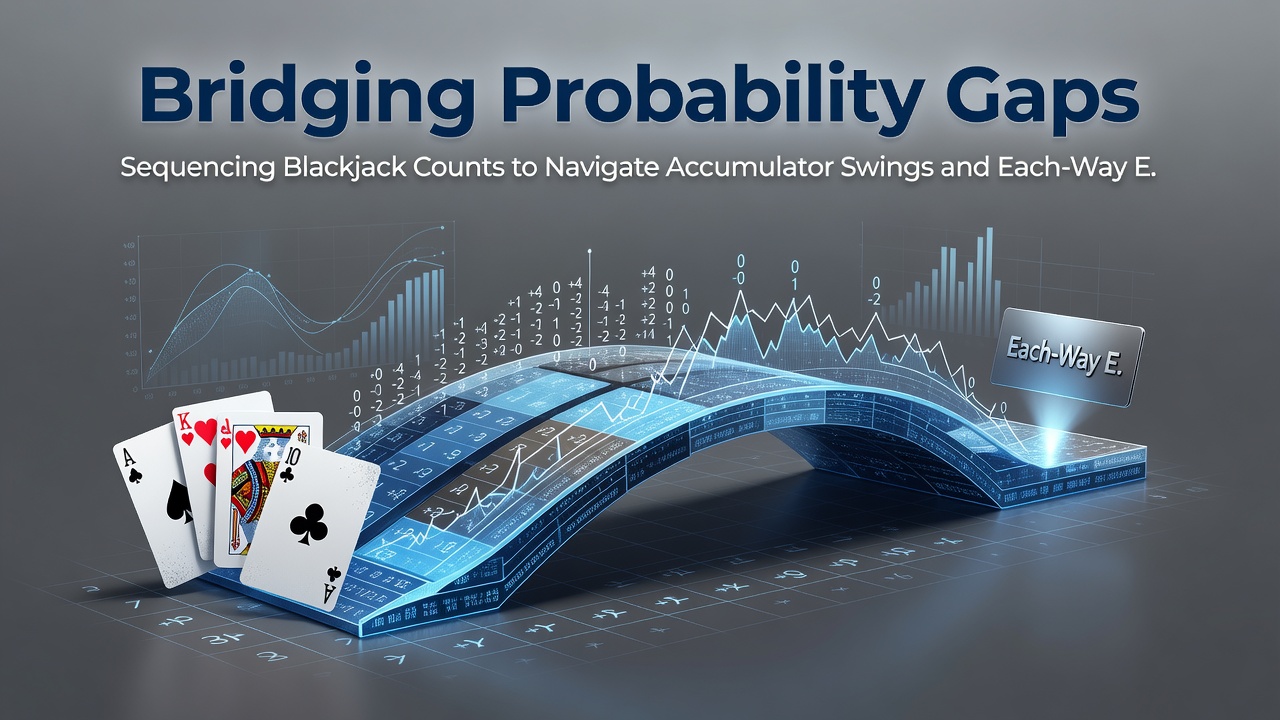
Sequencing Applications in Each-Way Equine Wagers
Each-way bets divide the stake between win and place markets, creating two separate probability streams that respond differently to race developments such as pace changes or market movements. Bettors who sequence information updates monitor pre-race and in-running signals in the same iterative manner that card counters track dealt cards, and research published by equine performance analytics groups demonstrates that incremental probability revisions improve place-hit rates when conditions evolve during the betting window.
Observers record that treating the place component as a secondary count layer allows bettors to hedge or press positions once early race segments reveal pace biases, and this layered approach echoes the side-count techniques used in advanced blackjack play for insurance and deviation decisions.
Integrating Cross-Domain Sequencing Practices
Professionals who combine both domains maintain separate but linked count sequences for table play and racing or accumulator portfolios, updating each after relevant events occur. Reports from international gaming research networks indicate that this integrated sequencing reduces portfolio-level variance because positive and negative swings in one area offset those in another when recalibrations remain synchronized with fresh data.
November 2026 market summaries from North American and Australian wagering regulators highlighted increased interest in such hybrid methods, particularly among operators offering integrated betting platforms that allow simultaneous tracking of table-game edges and sports or racing positions.
Conclusion
Sequencing blackjack counts supplies a repeatable framework for updating probabilities in accumulators and each-way equine wagers, and evidence from multiple research streams shows that consistent application of these updates produces measurable shifts in expected outcomes across the three domains. Those who adopt the practice treat every new result as fresh information that revises the overall count, thereby narrowing probability gaps that arise when static assessments persist through changing conditions.