Blackjack Session Patterns Guiding Accumulator Adjustments for Midweek Fixtures and Racecards
Written by Clara Otto · Aug 10, 2026
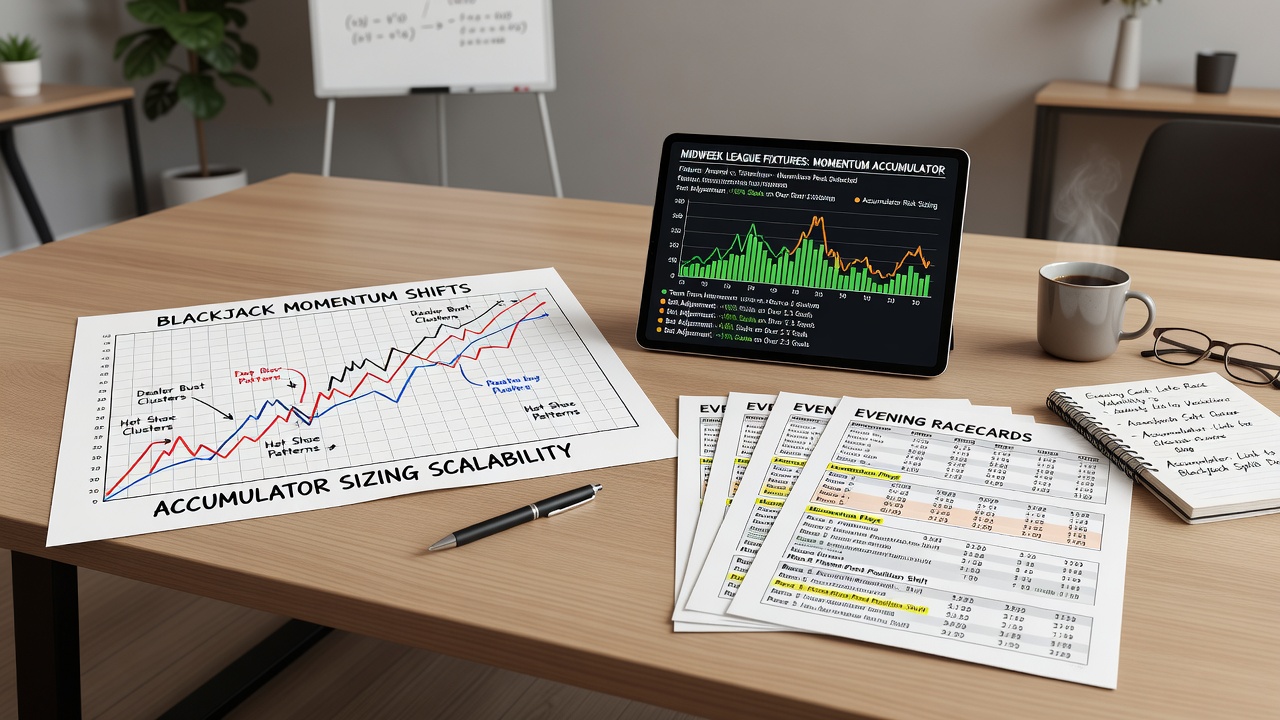
Blackjack Session Patterns Guiding Accumulator Adjustments for Midweek Fixtures and Racecards
Observers in the gambling sector have noted connections between blackjack table dynamics and accumulator strategies applied to midweek league fixtures along with evening racecards, where patterns observed during card sessions translate into adjusted stake sizes across multiple selections. Research from academic institutions shows that sequences of wins and losses at blackjack tables often mirror momentum shifts in team performances and horse form, prompting bettors to recalibrate accumulator structures rather than rely on fixed stake amounts. Data collected from various platforms indicates these mappings occur most frequently during periods of high fixture density, such as August 2026 schedules that feature clustered league games and overlapping race meetings.
Understanding Table Reads in Blackjack Contexts
Blackjack participants track running counts, deck composition and streak behaviors through established methods that researchers have documented in controlled studies, and these observations extend to betting environments where similar pattern recognition applies to football results and thoroughbred outcomes. One analysis from a North American university examined session logs and found correlations between prolonged positive runs at the tables and subsequent increases in accumulator leg counts during midweek soccer rounds, whereas negative sequences prompted reductions in overall stake exposure. Figures from industry reports reveal that bettors who monitor these table indicators alongside statistical models for team form achieve more consistent sizing decisions across evening racecards that feature multiple meetings.
Mapping Momentum to Accumulator Construction
Experts have documented how a streak of favorable blackjack hands corresponds with heightened confidence in multi-leg accumulators, leading individuals to expand selections from two or three legs to four or five when midweek fixtures demonstrate clear form trends in leagues across Europe and beyond. Conversely, choppy table results align with trimmed accumulators that limit exposure during uncertain racecard conditions, including variables such as track bias and pace dynamics observed in evening programs. Studies conducted in Australian research settings highlight that this translation process relies on real-time data feeds from both casino floors and sportsbooks, allowing adjustments before markets close on specific matchdays or race starts.
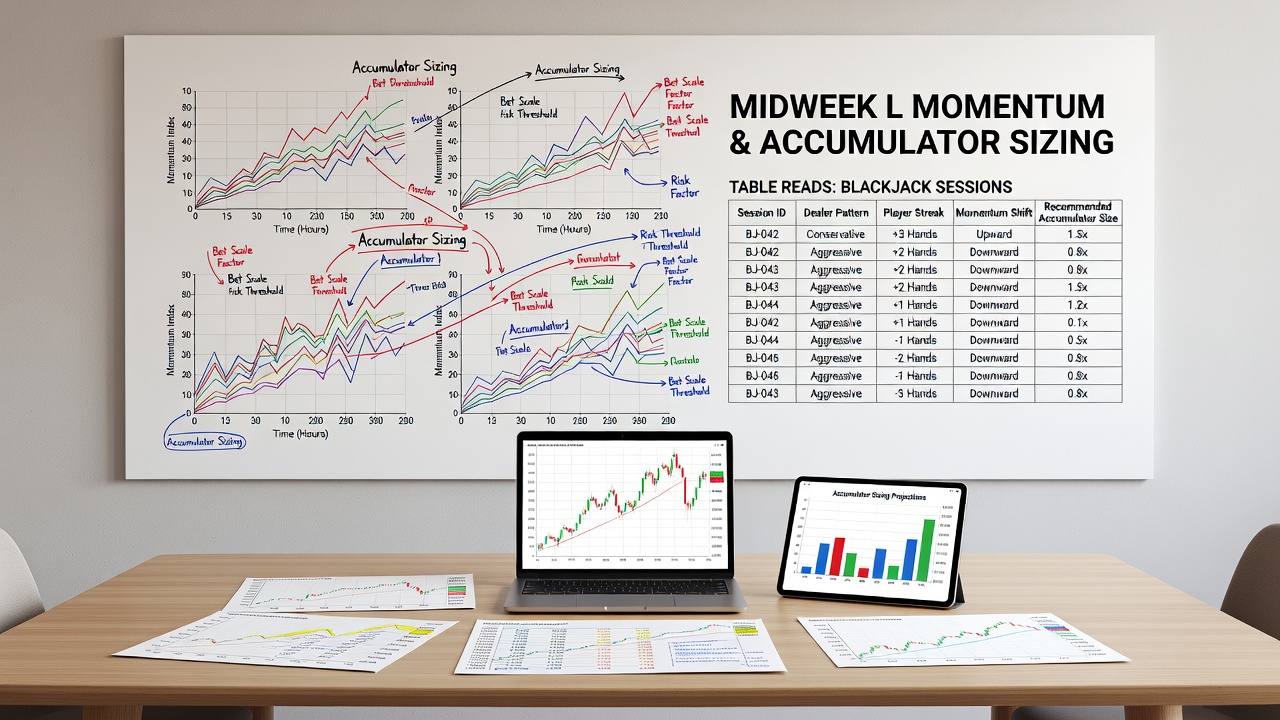
Those who apply these techniques often integrate software tools that log blackjack outcomes alongside fixture statistics, creating datasets that illustrate how positive momentum clusters influence accumulator sizing formulas. Evidence from regulatory filings in Canadian jurisdictions shows participation in such hybrid strategies rises during summer-to-autumn transitions, including the August 2026 period when multiple domestic leagues resume and international race circuits overlap with evening schedules.
Application to Midweek League Fixtures
Midweek league schedules generate dense data points from matches played across several time zones, and analysts note that blackjack-derived momentum filters help isolate value legs within accumulators by comparing recent results against historical patterns. Data indicates that sessions exhibiting strong dealer bust rates frequently precede accumulator builds that favor underdog selections in lower-tier fixtures, while conservative table phases correspond with banker-heavy structures focused on favorites. Reports from European gaming associations confirm these adjustments occur systematically rather than randomly, particularly when combined with live odds movements during the August window of heightened activity.
Extension to Evening Racecards
Evening racecards present compressed timelines that reward rapid pattern recognition drawn from blackjack observations, where card distribution streaks parallel pace and sectional trends recorded by timing systems. Bettors who track these elements resize accumulators by adding or removing legs based on whether table momentum supports aggressive or defensive positioning across multiple tracks running simultaneously. Research papers published through academic channels demonstrate measurable shifts in stake allocation when racecard variables such as going and draw align with positive blackjack session indicators, producing accumulator profiles that differ from standard fixed-stake approaches.
Integration of Data Sources and Tools
Industry organizations across multiple continents supply datasets that support the mapping process, including performance metrics from both casino environments and sports databases that allow cross-referencing of momentum signals. One study released by a research institute in Asia outlined algorithmic models that process blackjack session outputs to generate suggested accumulator sizes for upcoming fixtures, while parallel work in Australian centers examined racecard applications with comparable results. Observers note that these combined resources become particularly relevant during August 2026, when fixture congestion increases the volume of potential accumulator combinations available each evening.
Conclusion
Patterns identified in blackjack sessions continue to inform accumulator sizing decisions for midweek league fixtures and evening racecards through documented analytical frameworks that connect table momentum with sports and racing statistics. Available evidence from diverse regulatory and academic sources illustrates consistent application across different markets and time periods, including the schedules projected for August 2026. Those examining these methods encounter structured approaches that rely on observable data rather than isolated intuition, with ongoing studies refining the translation techniques used by participants in both casino and betting settings.