Applying Poker Positional Advantages to Horse Racing Market Choices and Slot Volatility Management
Written by Theo Hoffmann · Aug 13, 2026
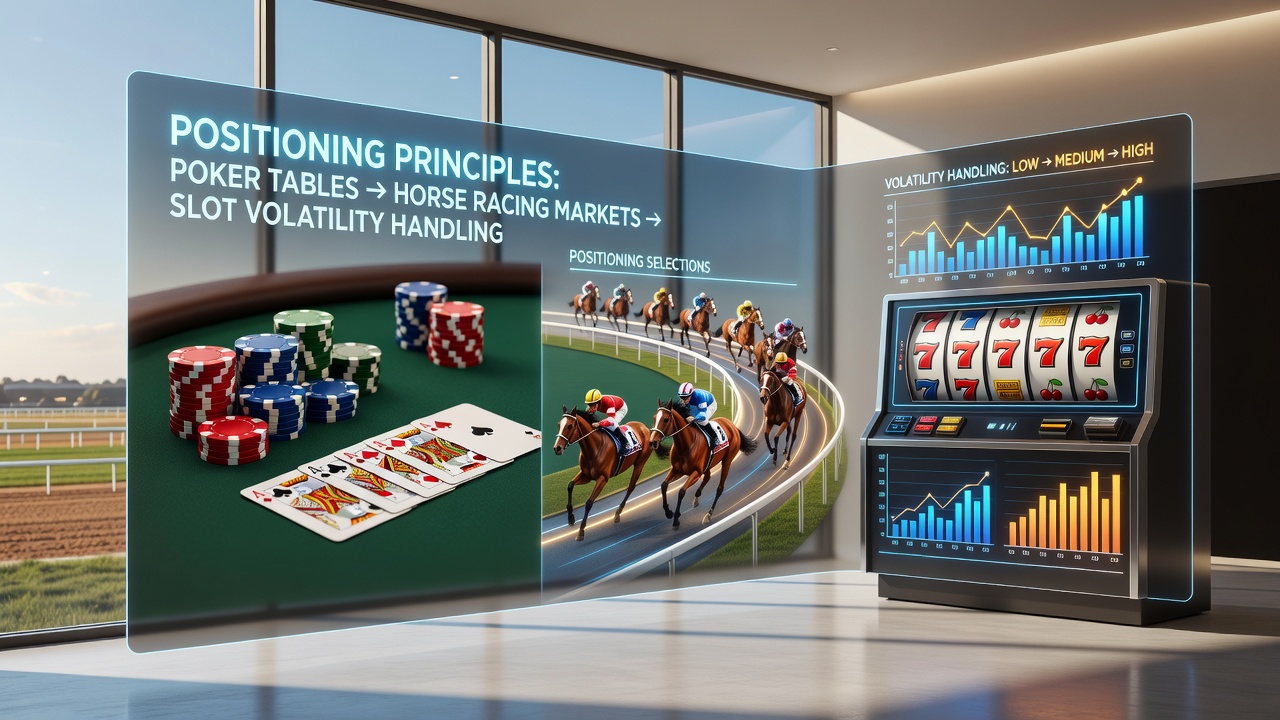
Applying Poker Positional Advantages to Horse Racing Market Choices and Slot Volatility Management
Position in poker grants players access to information that others lack, and researchers have tracked how this edge transfers when bettors apply similar logic to horse racing odds and slot machine payout patterns. Observers note that late-position players see more hands before acting, which mirrors the advantage of monitoring betting market movements right before a race starts. Data from multiple jurisdictions shows that participants who wait for final declarations and late scratches often secure better value, since early odds reflect incomplete fields.
Core Poker Positioning Mechanics
Position determines action order, and experts have documented that button and cutoff seats win more pots over large samples because they control pot size and gather data on earlier decisions. Studies from gaming research centers indicate players in early position must tighten ranges to compensate for acting first, while those acting last expand selections without the same risk exposure. This framework extends beyond cards when bettors treat horse racing markets as dynamic tables where late information functions like seeing an opponent's cards.
Transferring Position Concepts to Horse Racing Markets
Horse racing bettors who adopt positional timing often focus on the final minutes before post time, when trainers and jockeys reveal last-minute changes through official channels. Figures from racing authorities reveal that odds compress or expand based on these updates, creating opportunities similar to stealing blinds from late position. One analysis of major tracks found that wagers placed after final declarations captured an average 3-4 percent improvement in implied probability compared with early placements, because market makers adjust lines once all runners are confirmed.
And yet the parallel runs deeper when bettors consider post position itself as a form of table position. Inside draws in sprints reduce variables much like early position forces caution, while wide draws demand wider margins for error. Data indicates that jockeys and trainers adjust riding tactics based on gate placement, and those adjustments appear in final odds movements tracked by pari-mutuel systems.
Slot Volatility Patterns and Positional Bankroll Control
Slot volatility measures payout frequency and size, and analysts have observed that high-volatility games resemble deep-stack poker tournaments where large swings test endurance. Low-volatility machines deliver steady small returns akin to tight early-position play that preserves chips. Research compiled by the Nevada Gaming Control Board shows return-to-player percentages remain stable across volatility tiers, yet session variance differs sharply, requiring bettors to size stakes according to bankroll depth much as poker players adjust bet sizing to stack sizes.
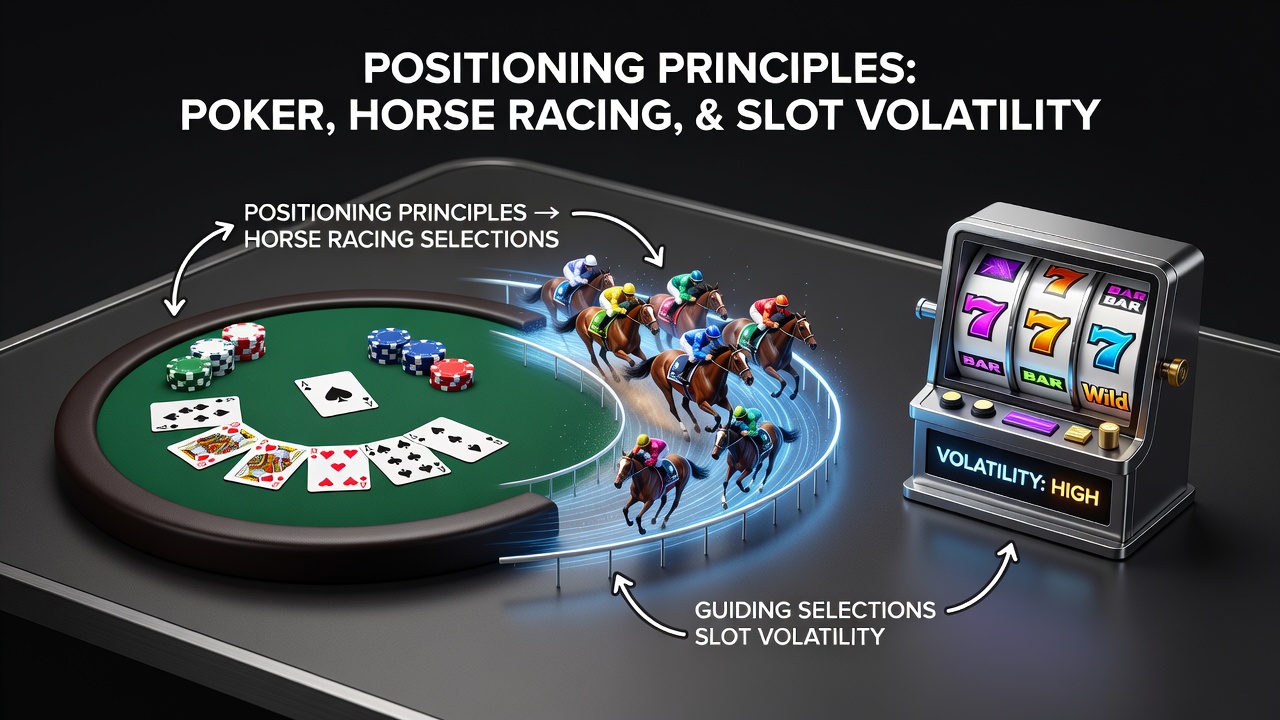
Those managing multiple sessions apply position-like rules by allocating smaller percentages of total funds to high-volatility titles, preserving capital for longer sequences. Reports from the Australian Institute of Gambling Research indicate that players who segment bankrolls this way extend playtime and reduce depletion rates during downswings. In August 2026, several North American casinos reported increased uptake of volatility filters in player loyalty apps, allowing users to sort machines by historical payout distribution data.
Integrated Decision Frameworks Across Markets
Bettors who combine these elements often create checklists that treat each wager as a positional spot. They review market depth for racing selections first, then evaluate volatility tiers for any slot allocation within the same session. Industry reports from the Canadian Gaming Association note that cross-market participants who maintain separate ledgers for racing and slots achieve steadier monthly results than those who blend funds without positional filters. The approach avoids overexposure because each market receives stake sizing calibrated to its information timing and variance profile.
Conclusion
Position principles from poker supply measurable structure for selecting horse racing entries and calibrating slot exposure. Market data, regulatory filings, and academic tracking confirm that timing and variance awareness produce consistent edges when applied systematically across these verticals.